Little Angel: The Trio of Fonts for Every Creative Project
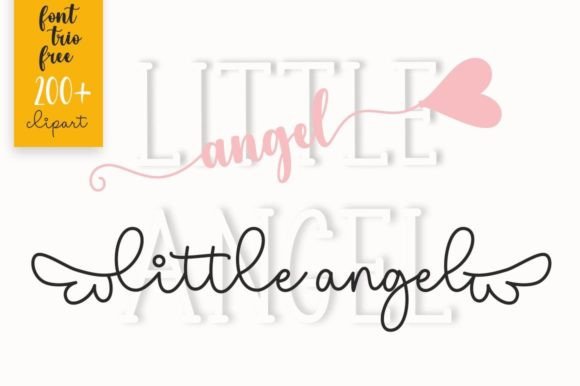
When you’re building a visual brand or crafting a standout project, the typography you choose carries more weight than most people realize. It’s not just about legibility; it’s about voice. Enter Little Angel, a font family designed to solve the common headache of font pairing. Instead of searching endlessly for a script that matches a serif, Little Angel offers a cohesive solution consisting of three distinct styles: a handwritten font, a script font, and a serif font. Together, they create a unified aesthetic that feels both chic and approachable, making them a powerful addition to any designer's toolkit.
The Anatomy of a Versatile Font Family
Understanding the components of Little Angel helps you utilize it effectively. The family isn't just a single typeface; it is a curated set of design assets meant to work in harmony.
- The Handwritten Style: This brings a casual, personal touch. It mimics the natural flow of pen on paper, offering a relaxed vibe that is perfect for subheadings or annotations. It adds warmth without sacrificing the professional polish required for commercial use.
- The Script Style: Flowing and elegant, the script component is the star for headlines and logos. It captures the fluidity of modern calligraphy, providing a sense of luxury and movement. This is the font you use when you want to make an immediate emotional impact.
- The Serif Style: To ground the more expressive handwritten and script styles, the serif font offers structure and readability. It bridges the gap between playful and professional, ensuring that body text remains legible while maintaining the family's overall charm.
What ties these three together is their shared DNA. They share similar weights and proportions, meaning you don’t have to worry about one style overpowering another. This cohesion is vital for creating a consistent brand identity across multiple platforms.
Practical Applications: Where Little Angel Shines
The true test of a premium font is its versatility. You need a typeface that can adapt to different mediums without losing its character. Little Angel performs exceptionally well across a variety of contexts, from digital interfaces to physical products.
Branding and Logo Design
For entrepreneurs and small business owners, a logo is the face of the company. Little Angel offers a unique advantage here. You can combine the script font for the brand name with the serif font for the tagline to create a balanced logo design. This approach works particularly well for lifestyle brands, boutique shops, wedding planners, and creative agencies. The font family allows you to build a complete visual language, not just a standalone mark.
Packaging and Product Design
If you are in the business of physical goods, packaging is your silent salesperson. The handwritten and script styles of Little Angel are ideal for product labels, especially in the food, beauty, or artisanal sectors. They evoke a sense of handcrafted quality and care. Imagine a candle label or a bakery box using the script for the flavor name and the serif for the ingredients list. It elevates the unboxing experience instantly.
Digital Content and Web Design
In the digital space, attention spans are short. You need to grab attention quickly. Using Little Angel for website headers or blog post titles can significantly improve engagement. It breaks the monotony of standard sans serif fonts often used in web design. Furthermore, it is an excellent choice for social media graphics. Whether you are creating quote cards for Instagram or promotional banners for Pinterest, the font’s "chic and cheery" personality helps content stand out in a crowded feed.
Editorial and Publishing
For bloggers and publishers, readability is king, but personality is queen. While the script style might be too decorative for long-form body text, the serif component of Little Angel can work beautifully for pull quotes or chapter headings in editorial design. It adds a touch of sophistication to magazine layouts, e-books, or lookbooks without feeling stuffy or overly academic.
Mastering the Details: Technical and Aesthetic Considerations
Choosing a creative font is only half the battle; implementing it correctly is where the expertise comes in. Here is how to get the most out of Little Angel in your projects.
Leveraging PUA Encoding
One of the standout technical features of Little Angel is its PUA (Private Use Areas) encoding. In plain terms, this means the font includes special characters, glyphs, and swashes that are accessible even without professional design software like Adobe Illustrator or Photoshop. You can access these extras through standard character maps on Windows or Mac. This is a massive benefit for hobbyists and content creators who might be using tools like Canva or PicMonkey. These extra swashes allow you to add flourishes to the beginning or end of words, giving your text a truly custom, hand-lettered appearance.
Evaluating Readability and Hierarchy
Visual hierarchy is the arrangement of elements to show their order of importance. Little Angel makes establishing this hierarchy intuitive. A common mistake with modern typography is overusing decorative fonts. My advice is to use the script or handwritten styles sparingly—think headlines, logos, or single words of emphasis. For longer sentences or smaller text sizes, switch to the serif style. This contrast ensures your design is not only beautiful but also accessible to your audience.
Font Pairing Strategies
While Little Angel is designed to pair with itself, you may need to integrate it with other fonts in your existing brand guidelines. Because the serif style has a traditional foundation, it pairs well with clean, geometric sans serif fonts. If your brand relies heavily on a specific sans serif for UI elements, you can introduce Little Angel’s script style for marketing materials to add a human touch without clashing with your primary typeface.
Making the Decision: Is Little Angel Right for You?
Selecting the right font ultimately comes down to audience fit and project goals. Little Angel is best suited for projects aiming for a friendly, elegant, or artisanal feel. If you are designing for a corporate law firm or a heavy industrial manufacturer, this might not be the right fit. However, for the vast majority of creative projects—wedding invitations, social media marketing, boutique branding, and lifestyle blogging—it hits the mark perfectly.
When evaluating this font for your next project, consider the "voice" of your brand. Does your brand speak with warmth and personality? Does it value aesthetics and attention to detail? If the answer is yes, Little Angel provides the tools to express that voice clearly. It removes the friction of font pairing and offers a professional, cohesive look that helps build trust and recognition with your audience.